Optimal Gum Health for Seniors 

For seniors, it is imperative that gum health is a top priority. As you age, your risk of developing periodontal (gum) disease increases. Periodontal disease is both preventable, and in many cases, reversible. When left untreated, it can lead to more serious complications such as bloody or swollen gums, and even tooth loss. Even more alarming are the numerous studies connecting periodontal disease to other serious illnesses. Here’s what you need to know about gum health as you age. 


Periodontal Disease and Your Overall Health 

Periodontal disease has been linked to serious health issues. In fact, a recent study conducted by the University of Southampton and King’s College London uncovered a link between periodontal disease and an increase in the rate of cognitive decline in those who suffer from early Alzheimer’s disease. In patients with periodontal disease, the study found cognitive decline underwent a rapid change, occurring six times as fast on average. 


Periodontal disease has also been found to increase your risk of developing heart disease or having a stroke. Risk factors for these serious issues increase with age, among other causes, and it is especially important to limit potential risk factors where possible. This can be as easy as improving your gum health with a visit to our office.  


The Numbers You Need to Know 

According to the National Institute of Dental and Craniofacial Research, moderate or severe periodontal disease was found in over 14% of seniors aged 65 to 74. The number increases to more than 20% for those over 75 years of age. Men were found to be more likely than women to have moderate to severe periodontal disease. Smoking was also found to have a significant impact. The same study showed 32% of current smokers had periodontal disease, compared to 14% for those who never smoked.| 


Steps You Can Take 

As you age, it is essential to keep up with your gum health. Doing so is an important link in lowering your risk factors for other serious ailments such as heart disease, stroke, and the impacts of Alzheimer’s disease. You can keep your gums healthy by brushing twice each day for a full two minutes. Be sure to regularly floss your teeth as well. Flossing is an effective way to clean the hard-to-reach cracks and gaps where plaque builds up. Schedule a visit with our team for a complete gum evaluation. We can work with you to devise a course of action to ensure healthy gums. 

Can Exercise Damage Your Teeth? 

Exercise is important to good health, but can it have a detrimental effect on our teeth?  Studies have shown that exercise and fitness habits can result in an increase in dental decay and tooth erosion.  Exercise can impact our oral health in many ways, including: 


Decreased Saliva Flow:  Breathing heavily through the mouth during exercise can result in a reduction in saliva and cause the mouth to dry out.  Saliva is filled with minerals that work to fight bacteria, protect tooth enamel, and prevent decay.  To prevent decay caused by a dry mouth, learn to breathe through the nose during exercise and hydrate with water before, during, and after your workout.  You can also brush your teeth before you exercise to reduce the presence of bacteria and plaque. 


Jaw Clenching:  Athletes often clench their jaw when straining to lift weights.  This pressure can result in wear and even cracked teeth.  To protect teeth from the effects of clenching, consider using a mouthguard.  These can be purchased at most drugstores or sporting goods stores or our dentist can make a custom fitted mouthguard for you. 


Consuming Sports Drinks:  Studies have shown that sugary sports drinks are up to 30 times more erosive to the teeth than water.  The citric acid they contain can soften the tooth enamel so much that even brushing can cause tooth damage.  Taking frequent, small sips of sugary liquids increases the chance of tooth decay.   Avoiding the use of sports drinks and hydrating with water instead can prevent these negative effects.  If you feel you must use sports drinks, don’t drink small amounts over an extended period of time, rinse your mouth with water afterwards, and avoid brushing immediately after consuming. 


Contact our office to schedule your next preventative dental appointment. 


The Benefits of Adult Dental Sealants 

Although dental sealants are often associated with pediatric dentistry, they can be a beneficial option for adults as well. A dental sealant is a protective, plastic film that helps prevent tooth decay. 


Even with at-home oral health care, there are areas of the mouth that can be difficult to reach, making it tough to properly clean. Our dentist can determine whether dental sealants are a viable option in helping give you extra protection from tooth decay. 


Our goal is to make every one of your dental visits as comfortable as possible. Applying dental sealants is a quick procedure, which offers substantial benefits. According to the American Dental Association, adult sealants are an effective solution to cavity prevention and in preventing the progression of an early non-cavitated tooth lesion. 


With proper at-home care and regular professional cleanings, dental sealants can last up to 10 years while effectively preventing tooth decay. 


Contact our office for more information about dental sealants and to schedule a cleaning with our dentist. 

What to Expect at Your Child’s Dental Appointment 


  •  
  •  
  •  


Look 10 Years Younger


4 Ways to Make Brushing Fun for Kids

As a parent, the best way to help ensure your child has a lifetime of healthy teeth is to help them establish great dental hygiene habits as they grow.

Here are some useful tips for keeping your child engaged by making dental hygiene fun:

Pick out a special toothbrush.

One great way to keep your child excited about brushing is to allow him or her to choose their own toothbrush in a favorite color or branded with a favorite cartoon character. Child-size soft-bristled brushes come in a wide variety of options designed to make your child like their toothbrush.

Choose children’s toothpaste.

Another great option is to use a toothpaste that is designed for kids. While adults generally prefer the fresh mouth taste of a minty toothpaste, many children find mint to be too powerful a flavor. This can make brushing unpleasant or even painful to sensitive taste buds. Instead, let your child choose a children’s toothpaste. There are many options available in a variety of soft mint, fruity, and bubble gum flavors. It is much easier to keep your child brushing for a full two minutes when their toothpaste tastes good.

Use a timer.

Two minutes can seem like a long time to a child. It can be very difficult for your child to try to estimate or count how long to brush without some kind of visual aid. You can help your child stay more engaged and ensure a full two minutes of brushing by using a timer. Choices range from a small sand timer your child can flip over, to a manual stopwatch with buttons to press, or even an app on a phone or tablet to time digitally (if your child is old enough). By letting your child take control of the timer, they can be more confident and more engaged in their brushing.

Brush together.

A parent is the first and strongest role model for their child. Brushing together can help your child model your great brushing technique, which will improve their own. Additionally, brushing together emphasizes to your child that brushing is important. When your child sees that you take dental hygiene seriously, they are likely to follow suit.

For more tips on making dental hygiene fun for your child, contact our office.

As a parent, the best way to help ensure your child has a lifetime of healthy teeth is to help them establish great dental hygiene habits as they grow.

Here are some useful tips for keeping your child engaged by making dental hygiene fun:

Pick out a special toothbrush.

One great way to keep your child excited about brushing is to allow him or her to choose their own toothbrush in a favorite color or branded with a favorite cartoon character. Child-size soft-bristled brushes come in a wide variety of options designed to make your child like their toothbrush.

Choose children’s toothpaste.

Another great option is to use toothpaste that is designed for kids. While adults generally prefer the fresh mouth taste of a minty toothpaste, many children find mint to be too powerful a flavor. This can make brushing unpleasant or even painful to sensitive taste buds. Instead, let your child choose a children’s toothpaste. There are many options available in a variety of soft mint, fruity, and bubble gum flavors. It is much easier to keep your child brushing for a full two minutes when their toothpaste tastes good.

Use a timer.

Two minutes can seem like a long time to a child. It can be very difficult for your child to try to estimate or count how long to brush without some kind of visual aid. You can help your child stay more engaged and ensure a full two minutes of brushing by using a timer. Choices range from a small sand timer your child can flip over, to a manual stopwatch with buttons to press, or even an app on a phone or tablet to time digitally (if your child is old enough). By letting your child take control of the timer, they can be more confident and more engaged in their brushing.

Brush together.

A parent is the first and strongest role model for their child. Brushing together can help your child model your great brushing technique, which will improve their own. Additionally, brushing together emphasizes to your child that brushing is important. When your child sees that you take dental hygiene seriously, they are likely to follow suit.

For more tips on making dental hygiene fun for your child, contact our office.

Only Floss The Teeth You Want To Keep 

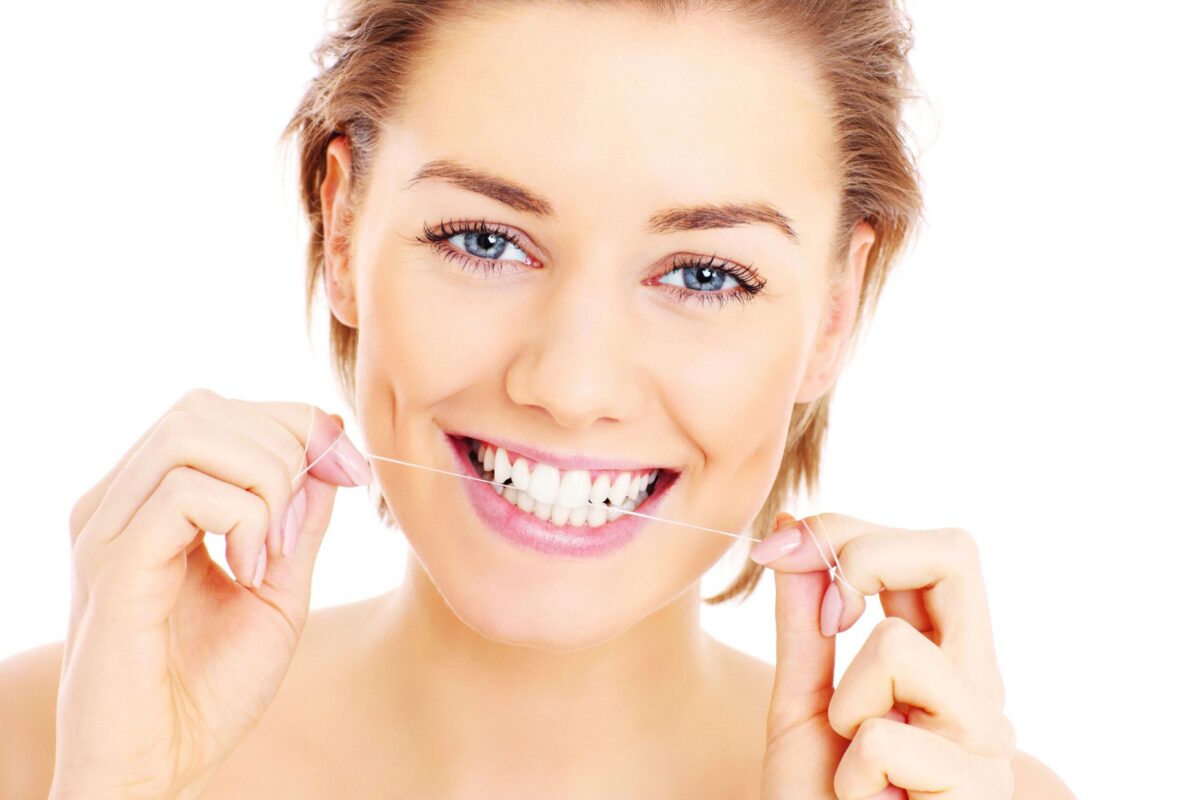
Every time you stop in to visit your dentist, you are asked, “Do you floss regularly?” This is because flossing is instrumental in maintaining a healthy, beautiful smile. It helps to remove the plaque that brushing alone can’t reach. While we all know brushing is critical to your oral health, it is important to understand the benefits of flossing daily. 


Flossing is a great way to protect your gums. When you floss, your dentist recommends also working between your gums and teeth in order to remove plaque within between your gums. This will prevent the accumulation of plaque that eventually hardens into tartar. Tartar buildup can cause gum disease, which is the leading cause of tooth loss. While you can remove plaque from your teeth and gums, tartar is much stronger, meaning that it requires a trip to your dentist in order to remove it. Simple, preventative care such as flossing regularly can help to ward off tartar and to keep all of your teeth. 


Flossing can also provide financial benefits. This preventative care can reduce more severe problems down the road. Regular visits to the dentist for a cleaning is a lot more cost-effective than needing emergency care due to a lack of flossing. Flossing is a great way to stop the problems before they even start. 


Flossing is also beneficial to your overall health. By maintaining great oral health, you are able to prevent other systemic problems such as heart disease and respiratory disease. Your dentist wants you to live a long, healthy life, and it all starts with maintaining your beautiful, clean smile. Contact us today and let us help keep your smile beautiful.

Farmington Dental Studio

32910 W 13 Mile Road
Suite B200
Farmington Hills, MI 48334
248.516.0004

We’d Love to See You More

Have you ever wondered how often you should be visiting our team? Being proactive rather than reactive with oral health could help prevent long-term tooth loss and other dental problems.  


According to a study published in the Journal of Dental Research titled “Patient Stratification for Preventive Care in Dentistry,” the American Dental Association (ADA) recommends working closely with your dentist to find a dental plan tailored to your needs. Researchers from the University of Michigan School of Dentistry found that individuals need different frequencies of visits to the dentist depending on three risk factors for periodontal disease: smoking, diabetes, and interleukin-1 genetic variations. According to the research, high-risk patients would benefit from more frequent dental visits, while low-risk patients may be fine visiting their dentist once a year. 


Many of our patients enjoy quarterly visits to our office. We’ve found more frequent professional cleanings reduces the risk of caries and periodontal disease. Our frequent visitors love having optimal oral health and confidence. Many dental professionals also choose to visit 3-4 times per year as well.  


If you’re interested in creating an oral health plan which includes more frequent professional cleanings, contact us. We’re here for you

Reminder About Your Next Dental Appointment

At times, life can seem to move quickly. Between work, school, sports, and social events, it can seem there is little time left for you and your health. It’s imperative for a healthy mouth and body to always have your next dental appointment scheduled and to prioritize this care. Our team will work with you to find the most convenient day and time for you. If you need to reschedule, we will do our best to accommodate you. Advanced notice of a change is greatly appreciated, whenever possible. Missed appointments without notice are harmful to our practice, as we’ve reserved your appointment time exclusively for you.

Missed dental appointments can lead to worsened oral and overall health. Whether receiving preventive or restorative care, if left without professional treatment, plaque and decay will progress and the state of your oral health will likely decline. Some of our patients are predisposed to more frequent oral health issues. Many times, these guests prefer more frequent office visits. Please know this is an option for you as well. Investing in one extra cleaning each year can often prevent more costly concerns.

We know it can be tempting to skip your dental appointment. Perhaps you’d rather be relaxing at home or you’ve had a last-minute obligation arise. Please make every effort to prioritize your healthy smile, as it significantly contributes to your overall health.

Please know we’re here for you. If you have any questions about our care or practice philosophy, don’t hesitate to contact us.

Optimal Gum Health for Seniors


For seniors, it is imperative that gum health is a top priority. As you age, your risk of developing periodontal (gum) disease increases. Periodontal disease is both preventable, and in many cases, reversible. When left untreated, it can lead to more serious complications such as bloody or swollen gums, and even tooth loss. Even more alarming are the numerous studies connecting periodontal disease to other serious illnesses. Here’s what you need to know about gum health as you age.

Periodontal Disease and Your Overall Health
Periodontal disease has been linked to serious health issues. In fact, a recent study conducted by the University of Southampton and King’s College London uncovered a link between periodontal disease and an increase in the rate of cognitive decline in those who suffer from early Alzheimer’s disease. In patients with periodontal disease, the study found cognitive decline underwent a rapid change, occurring six times as fast on average.

Periodontal disease has also been found to increase your risk of developing heart disease or having a stroke. Risk factors for these serious issues increase with age, among other causes, and it is especially important to limit potential risk factors where possible. This can be as easy as improving your gum health with a visit to our office.

The Numbers You Need to Know
According to the National Institute of Dental and Craniofacial Research, moderate or severe periodontal disease was found in over 14% of seniors aged 65 to 74. The number increases to more than 20% for those over 75 years of age. Men were found to be more likely than women to have moderate to severe periodontal disease. Smoking was also found to have a significant impact. The same study showed 32% of current smokers had periodontal disease, compared to 14% for those who never smoked.

Steps You Can Take
As you age, it is essential to keep up with your gum health. Doing so is an important link in lowering your risk factors for other serious ailments such as heart disease, stroke, and the impacts of Alzheimer’s disease. You can keep your gums healthy by brushing twice each day for a full two minutes. Be sure to regularly floss your teeth as well. Flossing is an effective way to clean the hard-to-reach cracks and gaps where plaque builds up. Schedule a visit with our team for a complete gum evaluation. We can work with you to devise a course of action to ensure healthy gums.